I’m tired of walking into the grocery store and seeing a tiny plastic container of “specialty” greens priced higher than a gallon of gas. It’s a racket. The big-box stores want you to believe that growing anything other than a standard tomato requires a PhD in botany and a high-tech greenhouse. That’s nonsense.
The truth is, 2026 is the year we take our backyards back from the boring, tasteless produce industry. Whether you’re in the humid South or dealing with a short, cranky summer in the North, growing exotic vegetables at home is actually easier than babying those over-hyped hybrid tomatoes that die if a cloud looks at them wrong. I’ve spent years getting my hands dirty at hometoolcreatives.com, and I’m here to tell you: if you can grow a weed, you can grow something “exotic.”
Can I grow exotic vegetables in my own backyard?
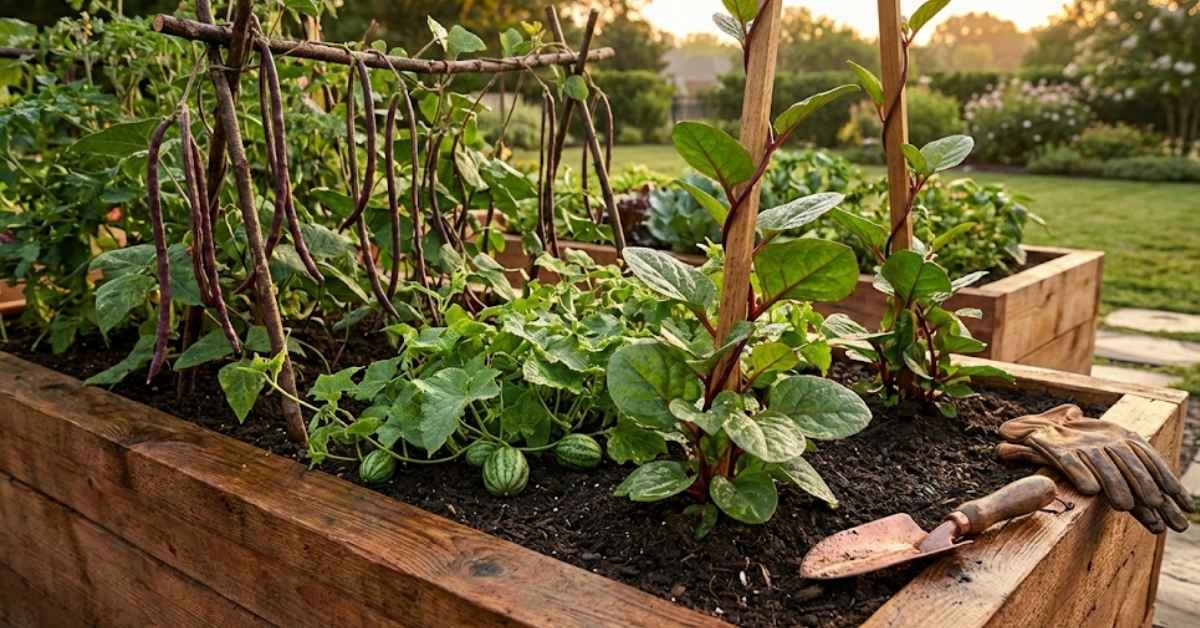
Yes, you can grow exotic vegetables at home by matching plant needs to your local USDA Hardiness Zone. Many “exotic” plants like Malabar spinach or yardlong beans are tougher than standard garden crops. Use raised beds and mulch to control soil conditions and extend your growing season.
Why the “Exotic” Trend Is Actually Just Common Sense
People call them “exotic” because they don’t see them in every supermarket aisle. In reality, many of these plants—like Bitter Melon, Okinawan Sweet Potatoes, or Mexican Sour Gherkins—are staples in other parts of the world because they are incredibly hardy.
The industry loves labels. They want to sell you “superfood” powders for $30 a jar. I’d rather you spend five bucks on a packet of seeds and have enough greens to feed your neighborhood. These plants often have fewer natural pests in US soil because the local bugs haven’t figured out they’re edible yet. That saves you money on sprays and saves me the headache of listening to people complain about aphids.
Stop Guessing About Your Soil
Before you shove a rare seed into the ground, you need to know what you’re working with. Most exotic edibles come from regions with very specific drainage needs. If you put a tropical tuber into heavy, wet clay, it’s going to rot before you can say “organic.”
I always suggest using raised beds for these plants. It lets you control the environment. If you’re building new beds this year, don’t just eye-ball the dirt. Use this raised bed soil calculator so you don’t end up with three extra yards of soil sitting in your driveway, ruining your grass.
Top Exotic Edibles for US Backyards (2026 Picks)
| Plant Name | Best US Climate | Taste Profile | Difficulty Level |
| Malabar Spinach | Hot/Humid (South) | Earthy, citrusy | Very Easy |
| Mexican Sour Gherkins | Most of USA | Cucumber + Lime | Easy |
| Yardlong Beans | Hot Summers | Nutty, crunchy | Medium |
| Cape Gooseberries | Warm/Dry (West) | Sweet & Tangy | Medium |
Managing the Sun and Water
Exotic doesn’t always mean “tropical.” Some of these plants hate the scorching afternoon sun in Arizona but love a humid morning in Georgia. You have to read the room—or in this case, the yard.
If you’re growing something that needs “well-drained soil,” that’s gardener-speak for “don’t let the roots sit in a puddle.” I see people make this mistake every single year. They over-water because they think a “tropical” plant wants to live in a swamp. Wrong. Most of these beauties want consistent moisture but plenty of air around their roots.
To keep that moisture steady without drowning your plants, you need mulch. It keeps the soil temperature from swinging wildly like a teenager’s mood. If you’re covering a large area, use a mulch calculator to get the depth right. Two to three inches is the sweet spot. Anything more, and you’re just inviting fungus to the party.
Dealing with “The Cold” Fear
“But I live in Ohio!” I hear you. Look, I get why this is confusing. We’ve been told for decades that exotic plants are fragile. Most of them are actually fast-growing annuals in the US. You plant them when the soil is warm (usually late May), and they produce like crazy until the first frost.
If you have a short season, start your seeds indoors about six weeks before the last frost. Use a heat mat. These seeds are used to warm soil, and a cold windowsill in March is basically a death sentence for them. According to USDA.gov, knowing your specific frost dates is the difference between a harvest and a heap of compost.
The Problem with “Premium” Seed Kits
Don’t fall for those “Exotic Garden Kits” you see advertised on social media for $50. They usually contain old seeds and a bunch of plastic junk you don’t need. Go to a reputable seed bank or an heirloom exchange. You want seeds that haven’t been sitting in a hot warehouse for three years.
Quick Answers (Because I Know You’ll Ask)
How do I grow exotic vegetables in a cold climate?
You have to use the “start early, end early” method. Start seeds indoors under lights in April. Use black plastic or heavy mulch to warm up the soil before you transplant them. If a surprise frost hits in September, throw an old bedsheet over them. It’s not rocket science; it’s just protection.
Which exotic vegetables grow fastest?
Malabar spinach and Mexican Sour Gherkins (also called Cucamelons) are like the track stars of the garden. Once the heat hits, they can grow several inches a day. You’ll be harvesting in about 60 to 70 days.
Do exotic vegetables need special fertilizer?
No. Don’t let the “specialty fertilizer” companies rob you. A good, balanced organic compost or a standard 10-10-10 slow-release fertilizer is fine. Most of these plants actually prefer soil that isn’t too rich. If you over-fertilize, you’ll get a giant green bush but zero actual food to eat.
Can I grow exotic edibles in containers?
Absolutely. In fact, for plants like Ginger or Turmeric, containers are better because you can move them inside when the weather turns nasty. Just make sure the pot has drainage holes. If it doesn’t, grab a drill and make some.
Are exotic vegetables safe for pets?
This is a serious one. Always check specific plants against the ASPCA database. For example, while you can eat the fruit of a ground cherry, the leaves and unripened fruit can be toxic to dogs. Don’t assume “natural” means “safe for Fido.”
How do I save seeds from exotic plants?
Wait for the fruit to get over-ripe—almost to the point of rotting. Clean the seeds, let them dry completely on a paper towel (away from direct sun), and store them in a cool, dark place. Stop buying new seeds every year; the plants are giving them to you for free.
Final Thoughts from the Garden
Look, the world is changing, and our grocery bills are only going up. You don’t need a massive farm to grow something interesting and delicious. Start with one or two plants this year. If you kill them, so what? Seeds are cheap, and the dirt will still be there next year.
Just stop listening to the “experts” who say you need expensive gadgets. You need a shovel, some decent seeds, and the patience to let nature do its job. For more updates on what’s actually working in real American backyards this season, check out our News section.
Stop worrying and start planting. Your dinner table will thank you.
Related Posts:
- Why You Should Never Use ‘Auto’ Mode On Your Dishwasher (And The Better Setting)
- A Travel Expert Reveals The Hidden Plane Seat Button That Gives You 4 Inches Of Extra Room

- I Noticed My Dryer Was Taking 3 Hours To Dry: Here Is The Gross Vent Clog I Pulled Out

- Why Your Laundry Smells Musty: The 20p Pantry Staple That Fixes It Instantly
- A Top Career Coach Reveals Why Quiet Quitting Is the Fastest Way to Get a Promotion

- I Tried Hydro-Seeding My Dead Lawn and Here Is the Green Grass Result After 30 Days