I’ve spent the better part of three decades watching neighbors spend their entire Saturday morning wrestling with finicky roses or high-strung tropicals that wilt the second the humidity in Georgia drops below 80%. It’s a tragedy of wasted time. We’ve been sold this lie that a high-end, expensive-looking yard has to be a second full-time job.
Listen, I love a good garden, but I love my recliner and a cold drink more. If you want a low maintenance luxury garden, you have to stop buying plants that need a therapist and start buying “architectural” plants. These are the workhorses that look like they belong in a five-star hotel lobby but have the survival instincts of a coyote.
For those of you looking for the short version, here is the secret: 5 Low-Maintenance Luxe Plants for Busy Homeowners include Boxwood, Lavender ‘Phenomenal’, Panicle Hydrangeas, Blue Fescue, and Japanese Forest Grass. These choices offer structured, high-end aesthetics with minimal pruning, low water needs, and massive climate resilience.
The “Expensive” Look Isn’t About Price
When we talk about “luxe” in landscaping, we are usually talking about three things: structure, consistency, and clean lines. You don’t get that by planting every “clearance” flower you find at the local big-box store. You get it by picking a few varieties and repeating them.
The biggest mistake I see is the “collector” garden. It looks messy because there’s no visual rest. If you want your home to look like an estate, you need plants that hold their shape. You need plants that don’t turn into a pile of brown mush the moment the first frost hits in November.
1. Boxwood (The Green Architect)

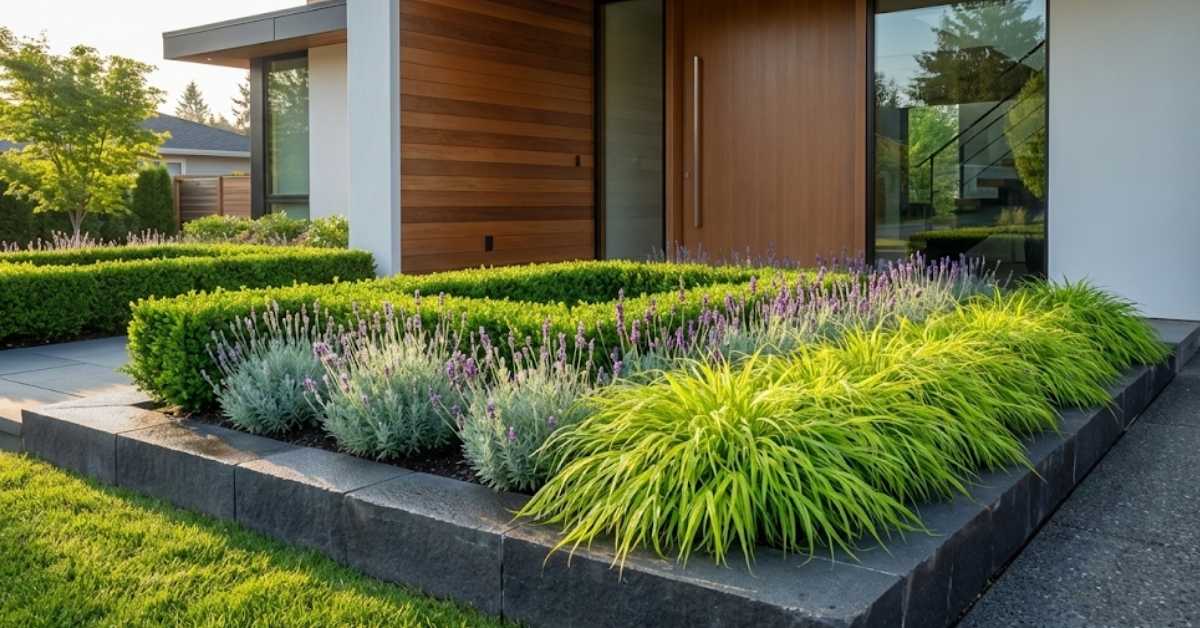
There is a reason every mansion from Virginia to Versailles is covered in Boxwoods. They are the “little black dress” of the plant world. They provide an evergreen structure that looks intentional even when you haven’t touched the garden in months.
I recommend varieties like ‘Green Velvet’ or ‘Winter Gem.’ They don’t grow at warp speed, which means you aren’t out there with shears every two weeks. They handle the cold well and, once they are established, they are remarkably drought-tolerant. Because they are dense, they block out weeds beneath them, so you spend less time on your knees pulling dandelions.
2. Lavender ‘Phenomenal’ (The Scented Survivor)
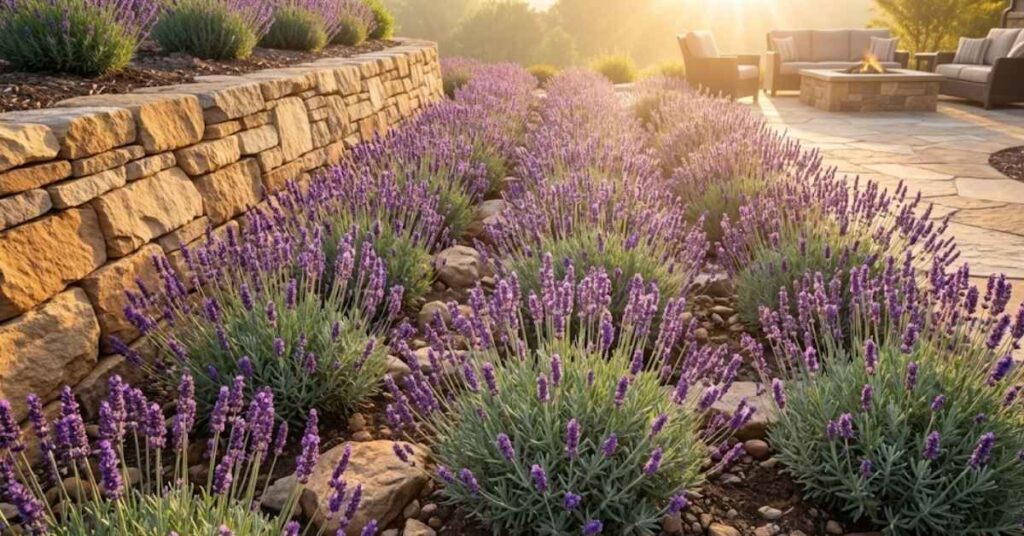
Most people kill Lavender because they overwater it or plant it in heavy clay. But the ‘Phenomenal’ variety changed the game. It was specifically bred to handle the brutal humidity of the US East Coast and the cold of the Midwest.
It gives you 그 silvery-purple “luxe” look that makes people think you’re in Provence. It smells great, and the deer won’t touch it because they hate the scent. Plant it in a sunny spot with the grittiest soil you have. If your soil is heavy, use our raised bed soil calculator to build up a mound of well-draining dirt so the roots don’t rot.
3. Panicle Hydrangeas (The Drama Without the Trauma)

Everyone loves the big blue Mophead Hydrangeas until they turn brown and crispy in the July heat. If you’re busy, you want Panicle Hydrangeas (like ‘Limelight’ or ‘Bobo’).
These are not your grandmother’s finicky bushes. They bloom on new wood, so you can’t mess up the pruning. In fact, you barely have to prune them at all. They start with creamy white or lime-green flowers that eventually turn a dusty rose in the fall. They look like a million bucks against a concrete calculator-verified modern patio or walkway.
Comparison: Luxe Look vs. Maintenance Level
I put this table together so you can see exactly what you’re getting into. Don’t let the fancy names fool you; these are tough plants.
| Plant Name | Luxe Factor | Watering Needs | Pruning Frequency | Best USDA Zones |
| Boxwood | High (Structured) | Low (Once established) | Once a year | 4 – 9 |
| Lavender | High (Mediterranean) | Very Low | After bloom | 5 – 9 |
| Limelight Hydrangea | Extreme (Massive blooms) | Medium | Once a year (Late Winter) | 3 – 9 |
| Blue Fescue | Medium (Modern/Clean) | Low | None (Divide 3 yrs) | 4 – 8 |
| Japanese Forest Grass | High (Flowing/Zen) | Medium | Cut back in Spring | 5 – 9 |
4. Blue Fescue (The Texture Expert)
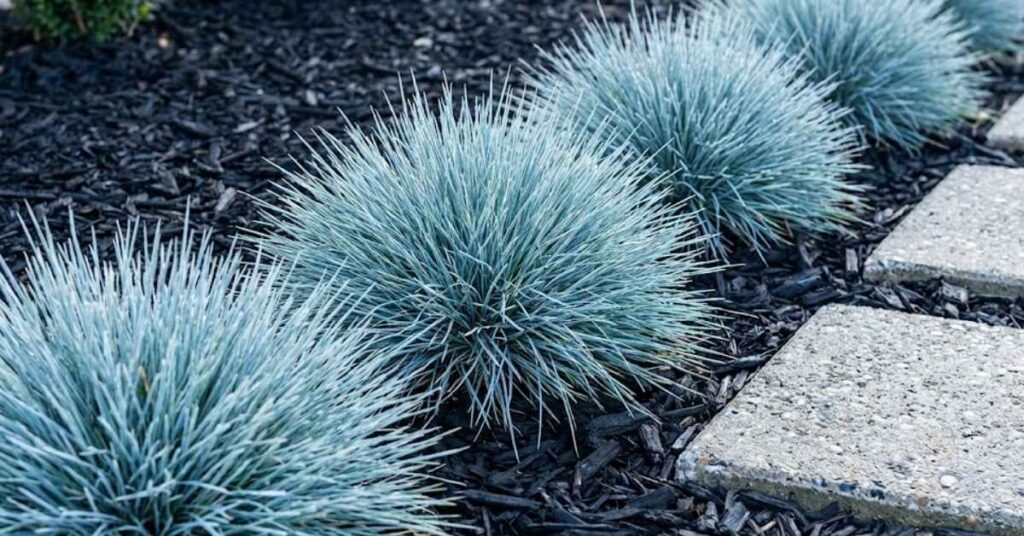
If you have a modern-style home, you need Blue Fescue. It grows in these perfect little icy-blue mounds that look like sea urchins. It doesn’t spread, it doesn’t get invasive, and it stays blue almost all year.
It’s a “set it and forget it” plant. I love using these as edging because they define the border so clearly. When you surround them with a dark charcoal mulch, the color pop is incredible. You can use our mulch calculator to see how much you need to cover the area around them to keep the moisture in and the weeds out.
5. Japanese Forest Grass (The Zen Waterfall)
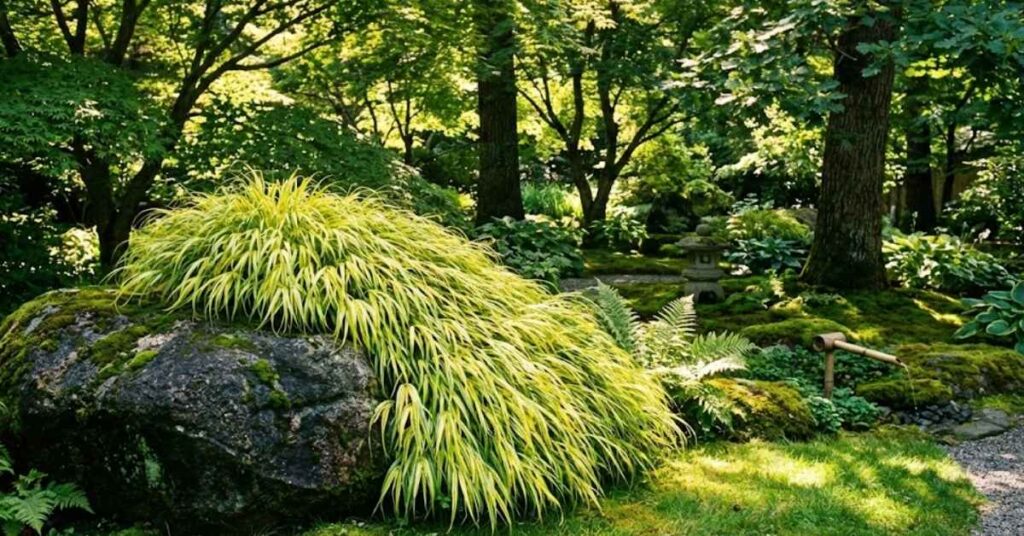
For the shady spots where nothing seems to grow except moss, get some Hakonechloa macra ‘Aureola.’ It looks like a waterfall of gold and green leaves. It’s the ultimate “luxe” shade plant because it adds movement to the garden.
It grows slow, so it won’t take over your yard. It loves a bit of moisture, but it’s not nearly as thirsty as a Fern or a Hosta. According to research from Cornell University Extension, choosing plants adapted to your specific light levels is the #1 way to reduce maintenance. This grass is the king of low-light luxury.
Also Read:
Stop Paying to Heat the Neighborhood: How to Find Air Leaks in Your House Before You Go Broke
Stop Overpaying for “Superfoods”: How to Grow Exotic Edibles in Your Backyard (2026 Trend)
Stop Wasting Money on Fancy Flowers: The Keystone Plant Secret for a Butterfly-Rich Backyard
7 Plants You Should Never Grow Near Your Patio in 2026
Stop Killing Your Refrigerator: How to Clean Coils and Save $2,000 Before Your Compressor Quits
Stop Breathing Fumes: Why You Must Clean Oven With Baking Soda and Vinegar Before Your Next Meal
Why Drainage Matters More Than Fertilizer
I see people dumping “Miracle” blue powder on their plants every week. Stop it. You’re wasting money and potentially burning the roots. Most of the plants on this list die from “wet feet,” not hunger.
If your soil stays soggy, the roots can’t breathe, and the plant will die regardless of how much you paid for it. Always check your soil slope. If you have a low spot, either fix it with some grading or pick a different plant. These luxury choices want to be pampered with good drainage, not constant chemical snacks.
The “Clean Edge” Secret
If you want your yard to look like a pro manages it, you don’t need more plants—you need a better edge. A crisp, clean line between your grass and your mulch bed makes even a mediocre garden look high-end.
I tell people all the time: spend ten minutes with a spade making a deep “V” edge or install some permanent metal edging. It creates a shadow line that screams “luxury.” Visit hometoolcreatives.com for more tips on choosing the right tools for these quick weekend wins.
Quick Answers (Because I Know You’ll Ask)
What are the best low-maintenance plants for an upscale look?
The best options are evergreens like Boxwood for structure, Lavender for color and scent, and ornamental grasses like Blue Fescue for texture. These provide a clean, intentional look without needing weekly care.
How do I create a luxury garden on a budget?
The secret is repetition. Instead of buying ten different plants, buy ten of the same plant. Mass planting a single species like ‘Limelight’ Hydrangeas looks much more expensive and designer-made than a cluttered mix.
Which plants stay green all year for a modern garden?
Boxwood, certain varieties of Holly, and Blue Fescue are excellent for year-round color. In warmer climates, Agave or Dwarf Palmettos provide that high-end, structural green without any winter dormancy.
How do you make a garden look expensive?
Use high-contrast colors, like lime-green foliage against black mulch. Add structural elements like large boulders or clean-edged walkways. Stick to a limited color palette of two or three colors max.
What are the most durable luxury outdoor plants?
Japanese Forest Grass and Panicle Hydrangeas are incredibly durable once established. They can handle various light conditions and aren’t prone to the many diseases that plague common garden flowers.
Can I have a luxury garden if I have no time?
Yes. By choosing slow-growing shrubs and perennials that don’t require deadheading (removing dead flowers), you can keep your maintenance down to just a couple of hours a month.
What is the best ground cover for a clean, modern look?
For sun, Blue Fescue is excellent. For shade, Japanese Forest Grass or Mondo Grass provides a carpet-like, high-end appearance that doesn’t need mowing.
Real Advice for Real Life
I get it. You’re tired. You’ve worked a 50-hour week, and the last thing you want to do is prune a hedge. That’s why you pick these five. They are forgiving. If you miss a watering, they won’t hold a grudge. If you forget to prune them in February, they’ll still bloom in July.
Don’t let the neighbors or the fancy magazines shame you into thinking you need a degree in botany to have a nice yard. You just need to be a bit lazier—strategically.
For more updates on what’s actually worth your time in the garden, check out our News category. We’re always debunking the latest “must-have” gadget that’s really just plastic junk.
Get these five in the ground, grab your drink, and enjoy the view. You earned it.
Related Posts:
- Why You Should Never Use ‘Auto’ Mode On Your Dishwasher (And The Better Setting)
- A Travel Expert Reveals The Hidden Plane Seat Button That Gives You 4 Inches Of Extra Room

- I Noticed My Dryer Was Taking 3 Hours To Dry: Here Is The Gross Vent Clog I Pulled Out

- Why Your Laundry Smells Musty: The 20p Pantry Staple That Fixes It Instantly
- A Top Career Coach Reveals Why Quiet Quitting Is the Fastest Way to Get a Promotion

- I Tried Hydro-Seeding My Dead Lawn and Here Is the Green Grass Result After 30 Days