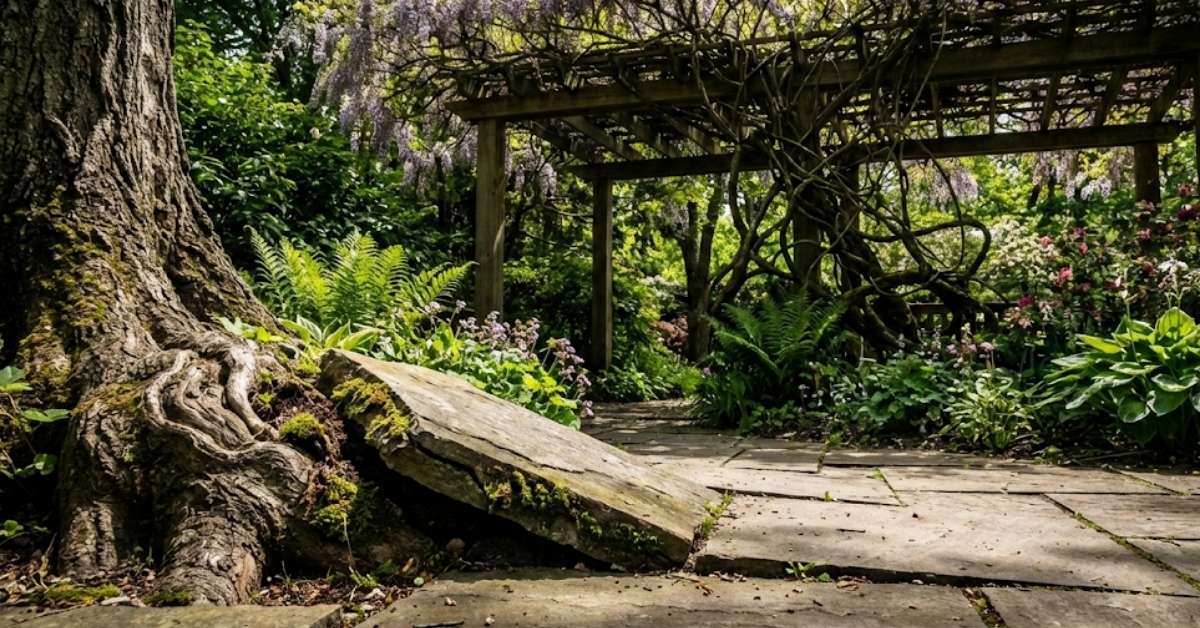
I’ve spent thirty years with dirt under my fingernails, and if there’s one thing that gets my goat, it’s seeing a perfectly good patio ruined by a plant that should’ve stayed in the woods. Every year, I see folks spend thousands on pavers only to plant something next to them that acts like a wrecking ball in slow motion.
In 2026, we’re seeing more extreme weather swings across the US—from sudden freezes to blistering heat waves—which makes choosing the right patio plants even more critical. You want a place to drink your coffee and flip a burger, not a renovation project caused by aggressive roots or a swarm of angry bees.
What is the best plant to put around a patio?
The best plants for a patio are non-invasive perennials with shallow root systems, such as lavender, creeping thyme, or boxwood. These species won’t crack your foundation or drop messy debris, making them safe for long-term structural integrity and low-maintenance lounging.
1. Weeping Willows: The Foundation Killers
I don’t care how “romantic” they look in movies. Unless your patio is the size of a football field and sits next to a lake, keep these away. Willow roots are moisture-seeking missiles. They’ll find the condensation under your concrete or the tiny leak in your pipes and rip through them like wet paper.
2. Bamboo: The Uninvited Houseguest
Specifically, the “running” varieties. I’ve seen bamboo travel thirty feet underground and pop up through the cracks of a sealed patio. It’s a nightmare to kill once it takes hold. If you absolutely must have that tropical look, put it in a heavy-duty pot on top of the pavers, never in the ground nearby.
3. Mint: The Garden’s Most Successful Weed
Mint is great in a mojito, but it’s a disaster in a flower bed next to your seating area. It spreads via runners faster than you can pull it out. Within two seasons, your “fragrant border” will be a tangled mess that’s choked out every other plant you paid good money for.
4. Wisteria: Beautiful but Destructive
The smell is heavenly, but the vine is a monster. Wisteria grows thick, woody trunks that can literally lift the roof off a pergola or buckle a patio railing. According to the USDA National Invasive Species Information Center, certain non-native wisteria species are aggressive enough to displace native vegetation and damage structures.
| Plant Name | Why It’s Bad for Patios | Repair Cost Estimate |
| Weeping Willow | Invasive roots destroy foundations | $2,000 – $10,000 |
| Running Bamboo | Spreads under pavers, causes lifting | $1,500 – $5,000 |
| Wisteria | Crushes structures and railings | $500 – $3,000 |
| Mint | Takes over all other landscaping | $100 (Labor/Herbicides) |
5. Sweet Gum Trees: The Ankle-Twisters
If you enjoy walking barefoot on your patio, avoid the Sweet Gum. They drop “gumballs”—those spiky, hard seed pods—by the thousands. They’re painful to step on, impossible to sweep, and they make your patio look like a disaster zone for half the year.
6. Mulberries: The Bird-Fed Stain Machines
Birds love mulberries. You will not. They eat the berries, sit on your patio furniture, and leave behind purple stains that are permanent. It’s not just the berries dropping from the tree; it’s the “presents” left by the local wildlife that will ruin your outdoor cushions.
7. Yucca: The Sharp-Leafed Menace
I see these in drought-prone areas like Texas and Arizona all the time. While they’re hardy, the tips of the leaves are literally needles. Planting these next to a high-traffic patio where kids or pets play is just asking for a trip to the urgent care clinic.
Know Your Soil Before You Dig
Before you replace these troublemakers with something better, you need to know what you’re working with. If you’re building a new garden bed near your patio, don’t guess how much dirt you need. Use this raised bed soil calculator to get it right the first time.
If you’ve already had a run-in with roots and need to patch things up, our concrete calculator can help you figure out the materials for a repair. We’ve got plenty of other tools over at hometoolcreatives.com to help you avoid the “oops” moments that cost a fortune.
Quick Advice for Regional Success
| Region | Avoid This | Plant This Instead |
| Northeast | Wisteria | Native Honeysuckle |
| Southeast | Mulberry | Crepe Myrtle (Dwarf) |
| Midwest | Sweet Gum | Serviceberry |
| Southwest | Yucca (near paths) | Spineless Prickly Pear |
Quick Answers (Because I Know You’ll Ask)
What trees have the most invasive roots?
Willows, Silver Maples, and American Elms are the worst offenders. They grow fast and their roots go wide looking for water, often extending three times the width of the tree’s canopy.
Can I plant anything next to a concrete patio?
Yes, but stick to things with taproots or fibrous roots that stay put. Think ornamental grasses, lavender, or small shrubs like hydrangeas. Just make sure the soil doesn’t slope toward your house.
How far should a tree be from a patio?
A good rule of thumb is at least 15 to 20 feet for medium trees. For large shade trees, give them 30 feet. If you’re tight on space, stick to shrubs or potted plants.
Will ivy damage my patio walls?
English Ivy is a pest. Its “holdfasts” (little suction cups) can dig into mortar and wood, causing moisture to get trapped and rot your structures. It’s a maintenance nightmare.
Why is my patio cracking near my garden?
It’s usually one of two things: either an invasive root is pushing up from underneath, or your soil drainage is poor, causing the ground to shift. Check your gutters and make sure your mulch isn’t piled so high it’s trapping water against the slab.
Is there a “safe” bamboo?
“Clumping” bamboo is much safer than “running” bamboo, but even then, I’d keep it in a sturdy planter. I’ve seen enough “safe” plants go rogue to be skeptical.
What is the least messy tree for a patio?
If you want shade without the cleanup, look at a “Fruitless” Olive tree or certain types of Maples that don’t drop heavy seeds. They still lose leaves in the fall, but that’s a once-a-year job.
Wrapping It Up
Gardening shouldn’t feel like a battle against your own home. If you have one of these seven plants hovering over your patio, don’t panic, but start thinking about a replacement. It’s much cheaper to pull a small sapling now than to jackhammer a concrete slab five years down the road.
For more updates on keeping your home and yard in one piece, check out our News section. You might also find these articles on winter lawn care tips or 2026’s best garden tools helpful for your next weekend project.
Take care of your patio, and it’ll take care of your weekend BBQ. Just keep the willows in the back 40 where they belong.
Related Posts:
- Why You Should Never Use ‘Auto’ Mode On Your Dishwasher (And The Better Setting)
- A Travel Expert Reveals The Hidden Plane Seat Button That Gives You 4 Inches Of Extra Room

- I Noticed My Dryer Was Taking 3 Hours To Dry: Here Is The Gross Vent Clog I Pulled Out

- Why Your Laundry Smells Musty: The 20p Pantry Staple That Fixes It Instantly

- A Top Career Coach Reveals Why Quiet Quitting Is the Fastest Way to Get a Promotion

- I Tried Hydro-Seeding My Dead Lawn and Here Is the Green Grass Result After 30 Days