

I stepped out onto my porch this morning, January 18, 2026, and nearly slipped on a patch of slimy, decomposed oak leaves that I should have dealt with two months ago. My back hurts just looking at them. I know what you’re thinking: “It’s winter, the grass is dormant, who cares?”
I care. And your lawn definitely cares.
There is this corporate myth floating around that leaving a thick “blanket” of leaves is good for the soil. Listen, a few scattered leaves are fine, but a wet, matted layer of maple leaves is not a blanket—it’s a localized environmental disaster for your turf. If you want to spend three grand on new sod in April, keep ignoring them. If you want to save your money and your sanity, we need to talk about clearing leaves in winter and why real winter lawn maintenance doesn’t stop just because it’s cold out.
The Straight Answer: Should You Rake Leaves in the Winter?

Yes, you must clear heavy leaf piles in winter because thick, matted leaves block sunlight and trap moisture against the grass, leading to snow mold and crown rot. While you don’t need a perfectly clean lawn, you should remove any layers that completely obscure the grass blades to ensure oxygen reach.
The “Blanket” Fallacy (Why Your Lawn is Suffocating)
Your grass might be sleeping, but it still needs to breathe. When leaves get wet from rain or snow, they stick together like layers of wet cardboard. This creates an airtight seal over your lawn.
Below that seal, things get nasty. Moisture gets trapped. Dark, damp conditions are the primary residence for “Snow Mold”—a fungus that looks like gray spider webs and kills your grass before the first spring thaw. If you can’t see the green (or brown) blades of your grass through the leaf cover, you have a problem. You aren’t “protecting” the roots; you are composting your lawn while it’s still trying to live.
To Rake or To Mow? (The Lazy Man’s Victory)
I hate raking. It’s bad for the shoulders and it takes forever. The good news is that you don’t always have to do it.
If the leaves are dry and the layer isn’t too thick, use your mulching mower. This is the only time I’ll agree with the “leave the leaves” crowd. Chopping them into tiny bits lets them fall between the grass blades and rot into the soil as free fertilizer. But there is a limit. If you mower is struggling to get through the pile, or if you see “leaf clumps” after you pass, you need to bag them or rake them.
Winter Lawn Maintenance Strategy Table
I put this together so you stop guessing. It’s based on actual turf science, not what some guy on a “lifestyle” blog told you.
| Leaf Coverage Level | Action Required | Why? |
| Thin/Scattered | Do nothing. | They’ll blow away or rot without causing harm. |
| Moderate (50% grass visible) | Mulch with a mower. | Recycles nutrients without smothering the turf. |
| Heavy (Grass invisible) | Rake and remove (or bag). | Prevents snow mold, rot, and localized “dead zones.” |
| Wet/Matted Patches | Manual removal immediately. | These are “rot spots” that will kill your lawn in days. |
Note: Based on university extension guidance for cool-season and warm-season turf management.
The Ice Problem: Walking on Frozen Grass
Here is something that makes me truly grumpy: people who treat their frozen lawn like a public sidewalk.
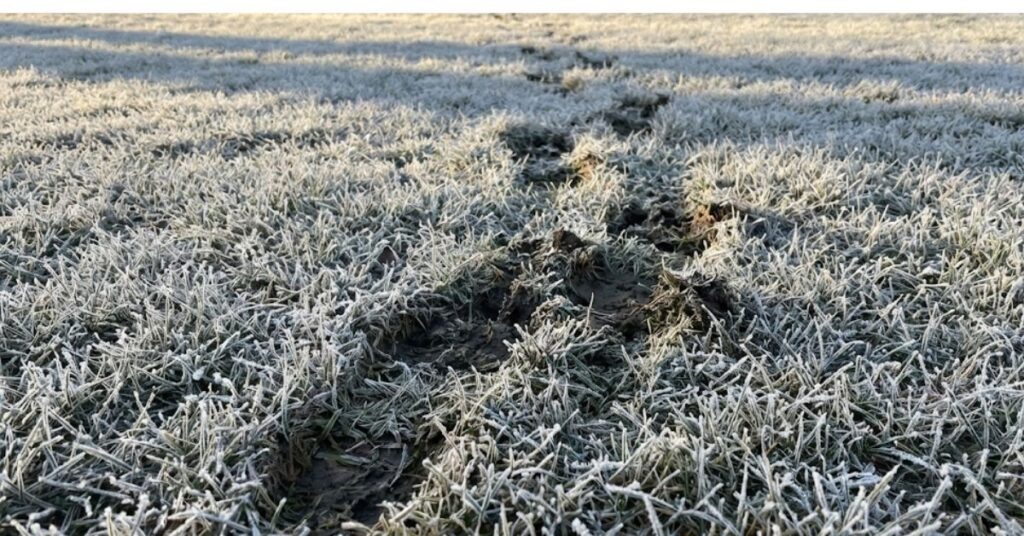
When the grass is frozen or covered in frost, the blades are brittle. Walking on them breaks the plant tissue. You won’t see the damage today, but come spring, you’ll see brown footprints all over your yard where the grass died from the “crush.” If you have to clear leaves on a frosty morning, use a leaf blower from the driveway. Keep your boots off the grass until it thaws.
Rapid Q&A (Because I Know You’ll Ask)
Can I leave leaves on the lawn all winter?
Only if they are shredded into tiny pieces. A solid layer of whole leaves will kill the grass underneath by blocking light and air. If you can’t see the lawn, the lawn is dying.
Is it too late to rake in January?
It’s never too late until the snow is two feet deep. If you have a clear, dry day in January, get those leaves off the grass. The longer they sit, the more damage they do to the turf’s crown.
Will a leaf blower work on wet leaves?
Hardly. It’s like trying to move lead weights with a hair dryer. If the leaves are wet, you’re going to have to use a heavy-duty rake or wait for a dry spell.
What should I do with the leaves I rake?
Don’t put them in plastic bags for the landfill—that’s a waste of space. Put them in your compost pile or use them as mulch for your flower beds. They are great for protecting perennials, just not your lawn.
Should I fertilize my lawn in the winter?
No. If the ground is frozen, the fertilizer just sits on top and runs off into the storm drains when it rains. It’s a waste of money and bad for the local water. Save your “winterizer” for late autumn.
Does snow mold go away on its own?
Sometimes, but it usually leaves a dead patch behind. Raking the affected area in early spring to “fluff” the grass and let air in is the best way to help it recover.
Can I use a vacuum for leaves in winter?
If they are dry, yes. If they are wet, you’ll just clog the machine and spend your afternoon digging out soggy leaf-gunk with your hands. Not fun.
The Bottom Line
A lawn is a living thing, even when it looks dead. Treat it with a little respect. Clear the heavy piles, mulch the light stuff, and stay off the grass when it’s frozen.
Right now, as we deal with the usual January weather shifts, keeping your yard clear is the best favor you can do for your spring self. Check out our News section to see if any major winter storms are heading your way—it’s better to clear those leaves before the snow pins them down for three months.
For more honest advice on keeping your home and yard from falling apart, stick with us at Home Tool Creatives. Now, go grab that rake before it starts raining again.
Related Post:
