

I was standing in my driveway yesterday morning when my neighbor, Mrs. Higgins, started doing a high-speed tap dance on her porch. She’d spotted a three-foot black snake near her azaleas and was currently trying to “scare it away” by throwing expensive mothballs at it like she was pitching for the Yankees. I told her, “Higgins, unless you have a 95-mile-per-hour fastball and hit it right in the nose, those things aren’t doing a lick of good.”
It is January 2026, and the “snake oil” industry is still booming. Every year, people spend millions on powders, granules, and ultrasonic beepers that promise to turn their yard into a serpentine no-fly zone. I’m grumpy because most of these products are a total scam. They prey on your fear and your desire for a “quick fix” that doesn’t exist. If you want to keep snakes out of your yard, you have to stop looking for a magic potion and start looking at your landscaping.
What is the best snake repellent for a yard that works?
The best snake repellent is habitat management: keeping grass cut under two inches, removing debris piles (wood, rocks, brush), and eliminating rodent food sources. For a physical barrier, install 1/4-inch hardware cloth fencing buried six inches deep. Chemical repellents like sulfur or mothballs are largely ineffective and toxic.

The Great Mothball Myth (And Why It’s Dangerous)
Let’s get the big one out of the way. If you are throwing mothballs (naphthalene) around your garden, you are doing it wrong. Not only do snakes not care about the smell—seriously, research from the University of Nebraska has shown they’ll slither right over them—but you are also dumping a neurotoxin into your soil.
Mothballs are for closets. When you put them outside, they poison the ground, the local water, and potentially your dog or grandkids. It’s also illegal to use them in a way not specified on the label. Stop doing it. It doesn’t work, and it makes your yard smell like your Great Aunt Martha’s attic for no reason.

Why “Smell” Repellents Fail
Snakes don’t smell like we do. They use their tongues and a specialized organ called the Jacobson’s organ to “taste” the air. While certain essential oils like cinnamon and clove have shown some promise in laboratory settings (even the USDA says they can “evict” a snake if sprayed directly on it), they don’t work as a “stay away” fence.
The wind blows, the rain falls, and your “repellent” is gone. Unless you plan on standing in your yard 24/7 with a spray bottle of cinnamon oil, you’re wasting your time.
[Image: A comparison of a snake’s Jacobson’s organ vs human nasal passage]
The Real Secret: Managing the “Menu”
Snakes aren’t in your yard to bother you. They are there because you’ve accidentally built them a 5-star restaurant. If you have snakes, you likely have mice, frogs, or slugs. We remove the food because snakes are opportunistic hunters. No food means no snakes.
- Stop the Birdseed Buffet: Spilled birdseed attracts mice. Mice attract snakes. Keep your feeders far from the house or get rid of them during the summer months.
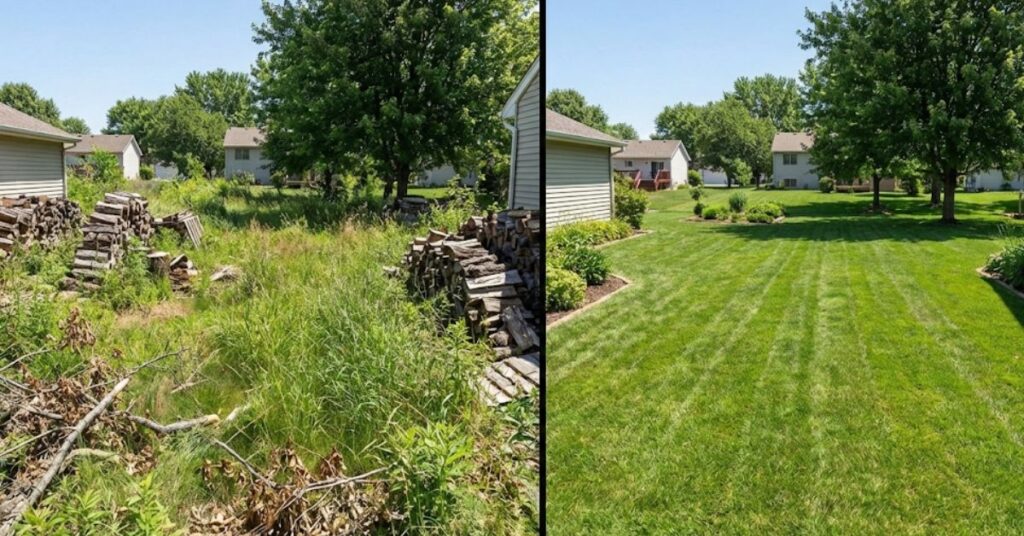
- Mow Your Lawn (Low): Snakes hate short grass. It makes them visible to predators like hawks and owls. Keep it under 2 inches.
- Clear the Clutter: That pile of “project” wood in the corner? That’s a snake condo. Move it at least 20 feet from the house and keep it off the ground.
Snake Repellent Reality Check (2026 Data)
| Method | Efficacy | Cost | The Grumpy Verdict |
| Short Grass (<2″) | 85% | $0 (Labor) | The most effective thing you can do. |
| 1/4″ Hardware Cloth | 95% | $200+ | Expensive, but it actually blocks them. |
| Cinnamon/Clove Oil | 20% | $30 | Only works if you spray the snake directly. |
| Mothballs/Sulfur | 5% | $15 | A total waste of money and toxic to pets. |
| Ultrasonic Spikes | 0% | $50 | Fraudulent. Snakes don’t even have ears. |
Physical Barriers: The 1/4-Inch Rule
If you absolutely must have a “snake-free” zone—maybe for a kids’ playground or a dog run—you need a fence. But not just any fence. A standard chain-link fence is basically a welcome mat for snakes.
You need 1/4-inch hardware cloth. It’s a heavy-duty wire mesh. You have to bury the bottom 6 inches into the ground so that they can’t burrow under it. Angle the top outward at 30 degrees so that they can’t climb over. It’s a lot of work, but it’s the only way to physically keep them out.
Sharp Landscaping: The “Lava Rock” Trick
Snakes have sensitive bellies. They don’t like crawling over things that poke them. Some research from the University of Nebraska-Lincoln suggests that a 2-to-3-foot wide strip of sharp lava rock around your foundation can act as a physical deterrent. It’s uncomfortable for them to navigate, so they’ll often go find an easier path. It’s not a 100% guarantee, but it’s better than a bag of sulfur.
Quick Answers (Because I Know You’ll Ask)
Do ultrasonic snake repellers work?
No. Snakes don’t have ears to hear the high-frequency sounds. They sense vibrations through the ground. The FTC has actually found many of these “ultrasonic” devices to be fraudulent. Don’t fall for the TikTok ads.
What is the best natural snake repellent for a yard?
Maintaining a clean, rodent-free yard is the best “natural” repellent. You can also use sharp materials like crushed eggshells or lava rock to make the terrain uninviting. Planting marigolds or lemongrass is often suggested, but there is zero scientific proof that snakes care about them.
Will vinegar keep snakes away?
Vinegar can be used to “flush” a snake out of a specific hole or crevice because it’s irritating to their skin, but it won’t act as a perimeter repellent. It evaporates too quickly to be effective long-term.
Does sulfur repel snakes?
Most university studies show that sulfur is ineffective against snakes. While it’s a common ingredient in commercial repellents like “Snake-A-Way,” its success is hit-or-miss at best and usually only works on certain species like garter snakes.
Can snakes climb fences?
Yes, many snakes are excellent climbers. A smooth, solid fence is harder for them to scale than a mesh one, but they can still find ways over. That’s why a “cap” angled outward is crucial for snake-proof fencing.
Should I kill the snakes in my yard?
I wouldn’t. Most backyard snakes (like garter, rat, or king snakes) are non-venomous and actually eat the pests you really don’t want, like copperheads and rats. If you kill the “good” snakes, you’re just opening up the neighborhood for the bad ones.
The Grumpy Final Word
Look, if you live near woods or water, you’re going to have snakes. It’s part of the deal. Instead of panicking and buying a 10-pound bag of stinky granules, grab your mower and your rake. Clear the brush, stack the wood, and stop feeding the mice.
If you’re planning on building that hardware cloth fence and need to know how much concrete you’ll need for the posts, check out our Calculators on the homepage. And for the latest updates on which “new” repellents are being busted for false claims, keep an eye on our News section.
Related Post:
