

I spent ten minutes yesterday pulling a deer tick off my dog’s ear, and frankly, I’m fed up. It’s January 2026, and thanks to the unseasonably warm winter we’re having across most of the US, these little eight-legged vampires aren’t even sleeping. They’re out there right now, waiting in the leaf litter for something warm to walk by.
I’m grumpy because the big chemical companies want you to believe that the only way to save your family is by drenching your property in synthetic nerve agents. That’s garbage. You don’t need to turn your backyard into a hazardous waste site to stay safe. You just need to stop being a lazy landscaper and use a few tricks that actually work.
How do I get rid of ticks in my yard naturally?
You can get rid of ticks in your yard naturally by keeping grass mowed to three inches or less, removing damp leaf litter, and creating a three-foot mulch barrier along wooded edges. Diatomaceous earth and cedar oil sprays also kill ticks on contact without using harsh synthetic chemicals.

The Tick Invasion of 2026: Why They’re Winning
If you feel like there are more ticks than there were ten years ago, you aren’t crazy. We’re seeing a massive spike in tick populations because our winters aren’t cold enough for long enough to kill them off. In states like Pennsylvania, Virginia, and even up into Ontario, the “tick season” is now basically 365 days a year.
Ticks don’t jump and they don’t fly. they wait. This is called “questing.” They sit on the edge of a blade of grass and wait for you to brush past because they need that physical contact to hitch a ride. We address the environment first so that they have nowhere to hide.
Habitat Management: The Boring But Best Way
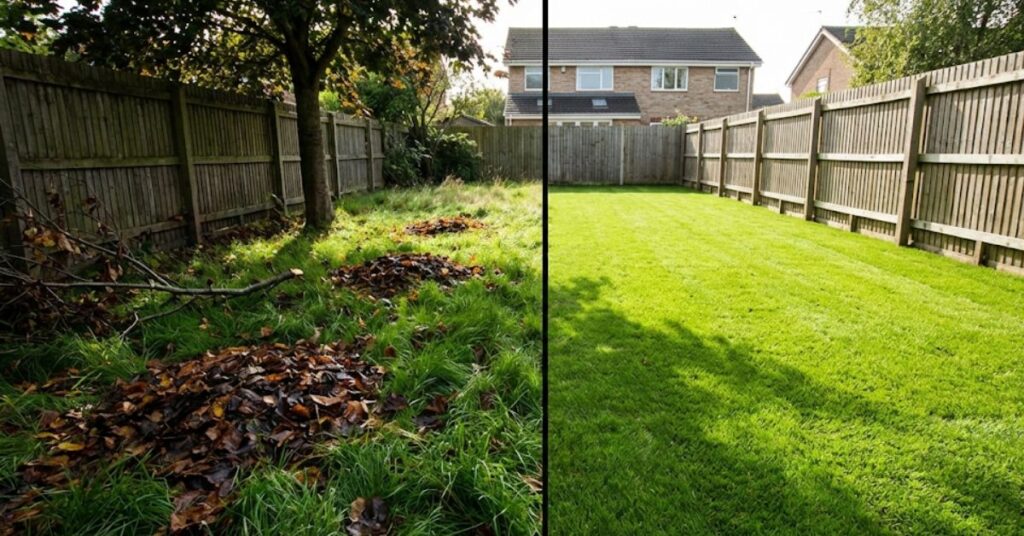
I know you want a “magic spray,” but the most effective tick killer is a lawnmower. Ticks hate the sun and they hate being dry. They are essentially tiny water balloons; if they dry out, they die.
Keep your grass cut short—no higher than three inches. We do this because short grass allows the sun to reach the soil and bake the moisture away. If you let your lawn turn into a meadow, you’re just building a luxury hotel for bloodsuckers.
Also, get rid of the leaf piles. I see people leaving “natural” piles of leaves in the corners of their yards. That’s a mistake. Leaf piles stay damp and cool, which is the exact environment ticks need to survive the afternoon heat. If you’re already dealing with other pests, like we discussed in our guide on Why Squirrels Are Murdering Your Tomatoes, you know that a messy yard is an invitation for trouble.

The Mulch Barrier: Your Line in the Sand
If your property borders the woods, you are at the front lines. Ticks live in the tall weeds and brush of the forest. They don’t like crossing open, dry territory.
Create a three-foot-wide barrier of wood chips or gravel between your lawn and the wooded areas. We use wood chips so that there is a physical “dry zone” that ticks are reluctant to cross. It won’t stop a deer from carrying them into your yard, but it will stop the ticks from crawling over on their own.
Natural Tick Control Comparison (2026 Costs)
| Method | Effort Level | Estimated Cost | Effectiveness | The Grumpy Take |
| Short Mowing | High (Weekly) | $0 (if you own a mower) | High | Do your chores. |
| Cedar Oil Spray | Medium | $30 – $50 per bottle | Medium | Smells great, kills on contact. |
| Mulch Barrier | High (Initial) | $100 – $300 | High | A one-time backbreaker. |
| Chickens | Extreme | $500+ (coop/feed) | Variable | They eat ticks, but they poop everywhere. |
| Diatomaceous Earth | Low | $20 | Medium | Great for spot treatments. |
Natural Sprays That Don’t Smell Like Toxic Waste
If you must spray, go for Cedar Oil. This is one of the few natural repellents backed by actual science. Cedar oil works by blocking the scent receptors of the tick and drying out their bodies.
I like cedar oil because it’s safe for your kids and your pets. You can spray it on your lawn and let the dog out five minutes later without worrying about seizures or skin rashes. If you’ve read our article on how to kill ants in vegetable garden safe for pets, you know I don’t mess around with safety.
Another solid option is Diatomaceous Earth (DE). This is a powder made from fossilized algae. To a tick, this stuff is like walking over a million tiny shards of glass. It cuts their outer shell and dries them out. Spread it in the areas where you know the dog hangs out. Just make sure you buy “Food Grade” DE.
The Predator Reality Check: Chickens and Opossums
I hear people say, “Just get some chickens!”
Look, chickens do eat ticks. So do guinea fowl. But chickens also eat your garden, scratch up your mulch, and attract predators like foxes and coyotes. Don’t get chickens just for tick control unless you actually want to be a farmer.
Opossums are the real heroes here. According to the Centers for Disease Control and Prevention (CDC), a single opossum can eat thousands of ticks in a week through their grooming habits. If you see one in your yard, leave it alone. It’s doing more work than you are.
Quick Answers (Because I Know You’ll Ask)
1. Does vinegar kill ticks in the yard?
Not really. While the acidity of white vinegar might kill a tick if you submerge it, spraying it on your lawn is a waste of time. It won’t kill the colony and the smell vanishes too quickly to be an effective repellent.
2. Is there a “tick plant” I can grow?
There is no single plant that creates a “no-tick zone.” Some people suggest lavender or mint, but a tick will crawl right over them if they smell a human. We talked about this in our piece on plants that repel mosquitoes and flies; plants are a secondary defense, not a primary solution.
3. How often should I spray cedar oil?
If it’s a heavy tick year, spray every three to four weeks. If it rains heavily, you need to reapply. Natural oils break down much faster than synthetic chemicals.
4. Can I get Lyme disease from my own backyard?
Yes. A huge percentage of Lyme disease cases in the US and Canada are contracted within 100 feet of the patient’s home. Take this seriously.
5. Does dish soap kill ticks?
Yes, but only if you drop them into a jar of it. Spraying soapy water on your grass won’t do much and might actually harm some of the beneficial insects in your soil.
6. Do tick tubes work?
Tick tubes (cardboard tubes filled with permethrin-treated cotton) work by getting mice to take the cotton back to their nests. The permethrin kills the ticks on the mice. It’s effective, but permethrin is a synthetic chemical, so it’s not “natural” in the strictest sense.
7. What is the best time of day to treat the yard?
Early morning or late evening is best for sprays. You want the oil to sit on the grass while it’s cool so that it doesn’t evaporate instantly in the midday sun.
The Grumpy Final Word
Ticks suck. Literally. But you don’t need a hazmat suit to handle them. Cut your grass, get rid of the damp leaf piles, and put down a mulch barrier. If you want to spend money, spend it on a good bag of cedar mulch or some food-grade DE.
Stop waiting for the government or a “miracle product” to fix your yard. Get out there and make your property a place where ticks hate to live. If you want to stay updated on the latest 2026 home maintenance news, check out our News category regularly. I’m currently looking into some new studies on fungal sprays that might be a game-changer for 2027.
Visit hometoolcreatives.com for more real-world advice that doesn’t treat you like an idiot.
Related Post:
