
I have spent decades fixing things around the house, but I also know my way around an airplane cabin. I used to think the bathroom floor was the only thing to worry about at 30,000 feet. Then I talked to a friend who spent ten years as a flight attendant. She told me things that would make a master plumber shudder. Most people board a plane and treat their seat like a clean living room. It is not. It is a shared public space that rarely gets the deep scrub it needs.
What are the dirtiest things on an airplane?
The dirtiest things on an airplane include the seatback pocket, tray table, and overhead bin latches. These areas harbor high levels of bacteria because they aren’t deep-cleaned between every flight. Avoiding direct contact or using disinfectant wipes on these surfaces significantly reduces your risk of illness.
For more updates on keeping your environment safe, check out the latest news at Hometoolcreatives.com.

1. The Seatback Pocket is a Trash Can
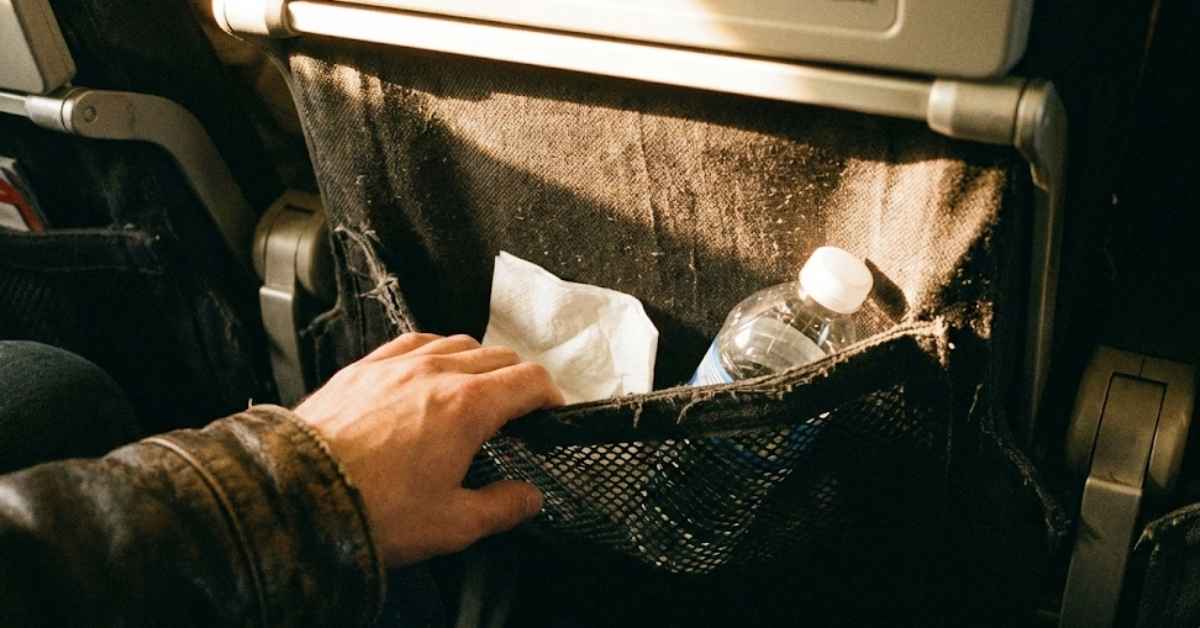
My friend told me that the seatback pocket is where travelers put everything they don’t want to hold. I am talking about used tissues, half-eaten food, and even dirty diapers. Because the cleaning crews have mere minutes to turn a plane around, they usually just pull out the big trash. They don’t reach in there with disinfectant.
When you slide your phone or your e-reader into that pocket, you are rubbing your tech against a petri dish of winter germs. If you must use it, put your items in a disposable plastic bag first. I’ve seen the texture of those pockets. They feel like gritty sand and old fabric because they are full of skin cells and debris.
2. The Tray Table Petri Dish
You might think the tray table is for eating. To some people, it is a headrest or a diaper changing station. My flight attendant source says she has seen it all. If you don’t believe me, look at the data from a .edu research study on cabin hygiene. These surfaces often show more colony-forming units of bacteria than the toilet flush button.
Before you let your pretzels touch that surface, wipe it down. Use a wipe with at least 70% isopropyl alcohol. It should smell like a hospital for a second so that you know the germs are dead.
Cleaning Methods and Effectiveness
| Surface | Cleaning Frequency | Bacterial Risk | Best Fix |
| Tray Table | Once a day (Deep) | Extremely High | Alcohol Wipes |
| Seatbelt Buckle | Rarely | High | Hand Sanitizer |
| Overhead Bin | Monthly | Moderate | Wash hands after use |
| Window Shade | Rarely | Moderate | Avoid touching face |
| Bathroom Lock | Every flight | High | Use a paper towel |
3. The Bathroom Door Lock
This one seems obvious, but people forget it. Everyone touches that rusted metal latch after using the facilities, but not everyone washes their hands properly. The hum of a fridge in your kitchen is loud, but the vacuum flush of a plane toilet is louder. That flush aerosolizes whatever is in the bowl.
Use a paper towel to open the door when you leave. I have seen the way people handle those locks. It is gross.
Airplane Hygiene Tips for Smart Travelers
- Keep Your Shoes On: The carpet in the aisle is full of spills and tracked-in filth. Never walk to the bathroom in socks.
- Use the Air Vent: Point the nozzle directly in front of your face. This creates an air curtain that helps push away stagnant germs.
- Skip the Seat Pocket: Put your essentials in your lap or a small bag under the seat.
- Sanitize the Armrests: These are high-touch points that catch everything from sweat to sneezing spray.
If you want to keep your home as safe as your travel, visit hometoolcreatives.com for more honest advice. We don’t like fluff. We just like things that work.
People Also Ask (PAA)
- Is airplane air dirty? No, most planes use HEPA filters that refresh the air every few minutes.
- Should I wear a mask on a plane? It helps prevent inhaling droplets from nearby passengers in the stagnant cabin air.
- Is the tap water on a plane safe to drink? No, the holding tanks are difficult to clean. Stick to bottled water.
- How often are planes deep cleaned? Most airlines do a deep “heavy” clean every 30 to 45 days.
- Are blankets and pillows washed? Only if they are sealed in plastic. If not, don’t touch them.
Check our news category for more blunt takes on staying healthy this year.
Related Post:
