
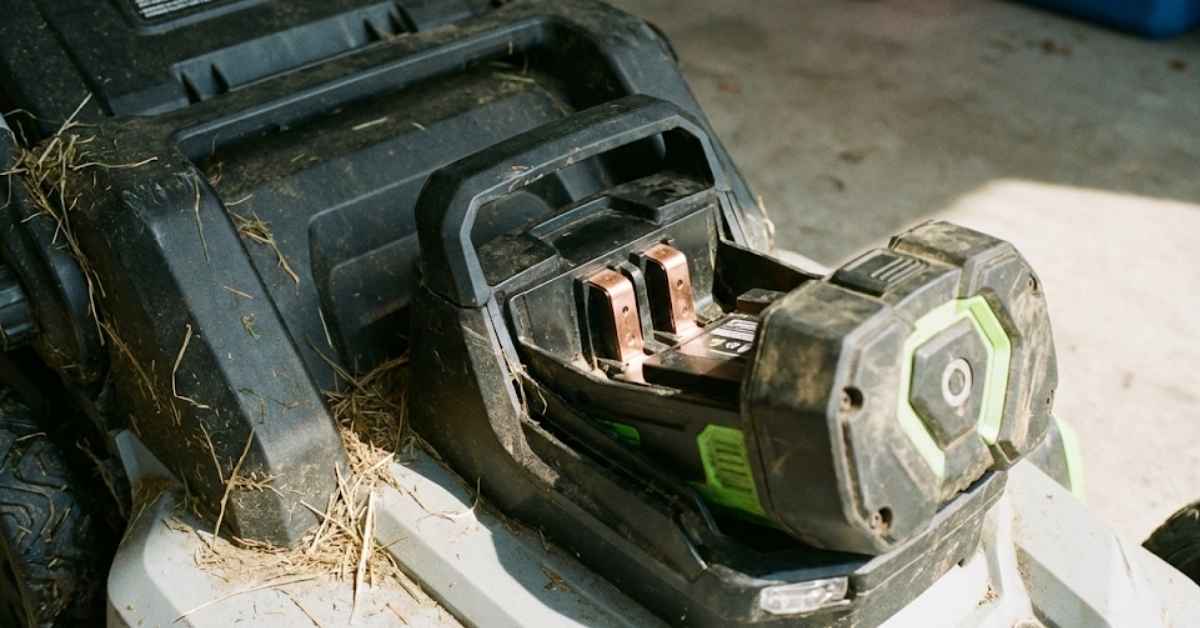
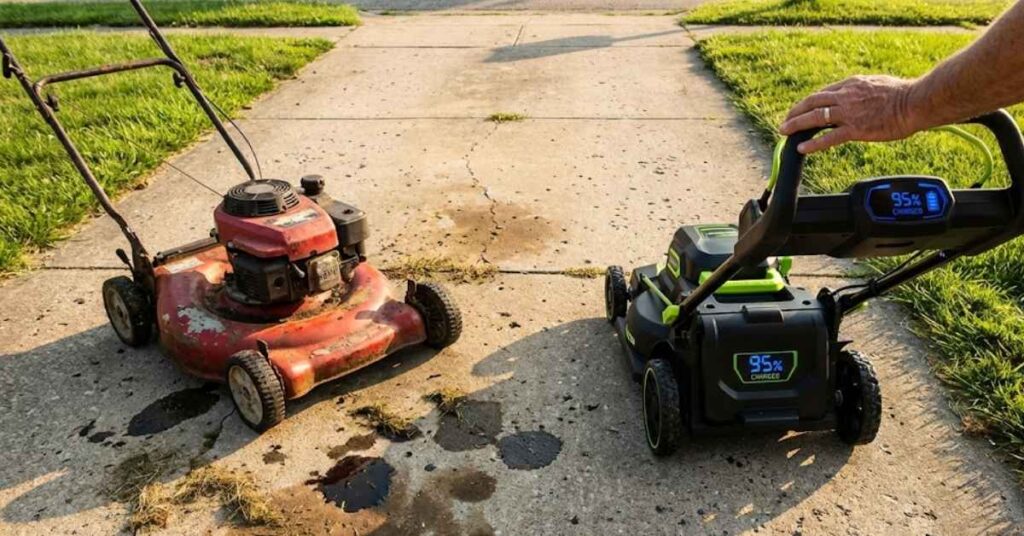
I finally did it. I mothballed the old gas-guzzling beast that required a three-course meal of stabilized fuel and spark plug cleanings just to wake up. I bought a battery-powered mower. If you’re like me, you probably think electric tools are for people who don’t have real work to do. I thought that too until I actually used one on my own overgrown patch of Kentucky Bluegrass.
Is an electric lawn mower better than a gas mower?
Electric lawn mowers are better for small to medium yards because they eliminate fuel costs, oil changes, and pull-cord frustration. While gas mowers offer more raw torque for thick brush, high-voltage battery mowers provide enough power for standard residential lawns without the deafening noise or exhaust fumes.
For more updates on keeping your yard in check, look through our latest news at Hometoolcreatives.com.
The Gritty Reality of the Battery Life
The first thing you notice isn’t the power. It is the silence. There is no bone-shaking roar. You just hear the whir of the blade and the snap of a dry twig under the wheels. I could actually hear my neighbor yelling at his dog for once.
But here is the catch. If your grass is damp or you let it go for two weeks, that battery is going to sweat. I found that my 56V battery lasted about 45 minutes. That is plenty for my quarter-acre, but if you own a small farm, stick to gas or buy three extra batteries.
Gas vs. Electric: The Cold, Hard Numbers
| Feature | Old Gas Mower | Modern Electric Mower |
| Start Method | Shoulder-straining pull cord | Simple push button |
| Annual Maintenance | Oil, filters, spark plugs, fuel | Blade sharpening only |
| Noise Level | 95-100 Decibels | 65-75 Decibels |
| Fuel Cost | $40-$60 per season | Less than $5 in electricity |
| Smell | Gasoline and burnt oil | Freshly cut grass |
Why I Started Taking Cold Showers
While I was waiting for the mower batteries to charge, I decided to tackle another “trend” I’ve been hearing about: cold showers. I’m an old-fashioned guy, and the idea of intentionally freezing my tail off sounded like a joke.
According to data found on .gov health resources, exposure to cold water can help with circulation and muscle recovery. I tried it after a long afternoon of yard work. The texture of the freezing water felt like needles on my skin, but ten minutes later, I felt more awake than a double espresso could ever make me.
Does a cold shower actually help your health?
Yes, cold showers can improve your immune response and mental clarity. Cold water immersion triggers the release of endorphins and increases metabolic rate. It also helps reduce muscle inflammation after physical labor, making it a practical recovery tool for homeowners spending long hours in the garden.
Common Questions About Moving to Electric (PAA)
- Can an electric mower cut tall grass? It can, but you have to go slow so that you don’t stall the motor.
- Are electric mowers waterproof? Most are weather-resistant, but don’t mow in a downpour unless you want to ruin the deck.
- How long do the batteries last? Expect a three to five-year lifespan before you need a replacement.
- Is it cheaper to run electric? Yes, because you aren’t paying for oil changes or expensive high-octane fuel.
- Do electric mowers have a bagger? Most come with mulching, bagging, and side-discharge options.
The Verdict on the Switch
I don’t miss the smell of gasoline on my hands. I don’t miss the rusted metal housing of my old mower. I do miss the raw, “I can cut through a forest” feeling of gas, but for a standard suburban home, I’m not going back.
If you want more honest advice on making your life easier without spending a fortune, visit hometoolcreatives.com. We deal in reality, not marketing brochures.
Related Post:
