

I stepped out onto my porch this morning with a hot cup of coffee, ready to enjoy the crisp January air. Instead, I saw it. A fresh, muddy mound of dirt right in the middle of my dormant grass. It looked like a miniature volcano had erupted overnight. If you’re staring at a yard full of these “molehills,” I know your blood is boiling. You’ve worked hard on that lawn, and some blind, subterranean rodent is treating it like a private subway system.
Naturally, the first thing people do is go to the internet. You see a “life hack” video claiming that getting rid of moles in yard with vinegar is the cheap, miracle fix you’ve been looking for. Well, I’ve got some bad news for you, and I’m not going to sugarcoat it. Most of that advice is pure nonsense dreamed up by people who have never actually fought a mole.
The 40-Second Answer: Does Vinegar Get Rid of Moles?
No, getting rid of moles in yard with vinegar is not an effective long-term solution. While the strong scent and acidity might temporarily annoy a mole, vinegar won’t kill them or force them to leave permanently. Even worse, high concentrations of vinegar act as a non-selective herbicide, meaning you’ll kill your grass and ruin your soil pH before you ever bother the mole.
The Big Vinegar Myth: Why It Doesn’t Work

Listen, I love vinegar. It’s great for pickling cucumbers and cleaning windows. But dumping it into a mole hole is about as useful as shouting at the clouds. Moles are tough. They spend their lives digging through dirt, rocks, and roots. A little sour-smelling liquid isn’t going to send them packing.
The idea behind this myth is that the acidic smell is too much for their sensitive noses. Sure, it smells strong. But moles have extensive tunnel systems. If they don’t like the smell in one “room,” they just plug that tunnel with dirt and dig a new one two feet over. Now you’ve got the same mole, a new hole, and a giant brown patch of dead grass where you poured the acid.
Understanding the Subterranean Enemy

Before you go pouring the contents of your pantry on your lawn, you have to know what you’re fighting. Moles aren’t there to annoy you. They are there because your yard is a buffet. They eat grubs, earthworms, and other soil insects.
In January, when the ground is cold, they usually go deeper below the frost line. However, during a warm snap—which we’re seeing plenty of this year—they come up to the surface. According to the University of Missouri Extension, moles can tunnel at a rate of 15 feet per hour. That’s why your yard can look like a disaster zone in just one night.
Vinegar vs. Reality: A Comparison Table
If you’re still tempted to use the salad dressing method, look at how it stacks up against things that actually work.
| Method | Cost | Grass Safety | Effectiveness |
| White Vinegar | $4 | Dangerous (Kills grass) | Near Zero |
| Castor Oil Spray | $15 | Safe | Moderate (Repels) |
| Spring Traps | $25 | Safe | High (Permanent) |
| Grub Control | $30 | Safe | High (Removes Food) |
The Causal Logic of Mole Control
You have to think like a landlord. If you have a tenant you don’t like, you make the environment unappealing. You do this because moles follow the food. If you treat your lawn for grubs, the food source disappears, so that the moles are forced to move to the neighbor’s yard to find a meal.
Dumping vinegar doesn’t address the food. It just makes the dirt sour. It’s a temporary fix for a permanent problem. If you really want to fix your backyard, you need to be consistent. Visit hometoolcreatives.com for better ways to manage your outdoor space without ruining your soil.
Why Vinegar Actually Hurts Your Lawn
I hate seeing people ruin their property with bad advice. Vinegar is an acid. When you pour it on your lawn, it lowers the soil pH instantly. Most grass types need a balanced pH to survive. When you dump a gallon of vinegar down a mole hole, you’re essentially salting the earth.
Nothing will grow there for months. You’ll end up with a bare patch that will eventually be taken over by weeds. So, instead of a molehill, you now have a dead zone surrounded by dandelions. That’s not an upgrade; that’s a self-inflicted wound.
Better “Natural” Alternatives
If you’re dead set on a “natural” way to stop the digging, skip the vinegar. Try castor oil instead. Moles hate the taste and the smell of castor oil, and it won’t turn your lawn into a brown desert.
You can mix it with a bit of dish soap and water in a pressure sprayer. Soak the areas where you see activity. It doesn’t kill them, but it makes their food taste like garbage. They’ll eventually move on. It takes more effort than vinegar, but it actually has a chance of working.
The Only Permanent Solution: Trapping
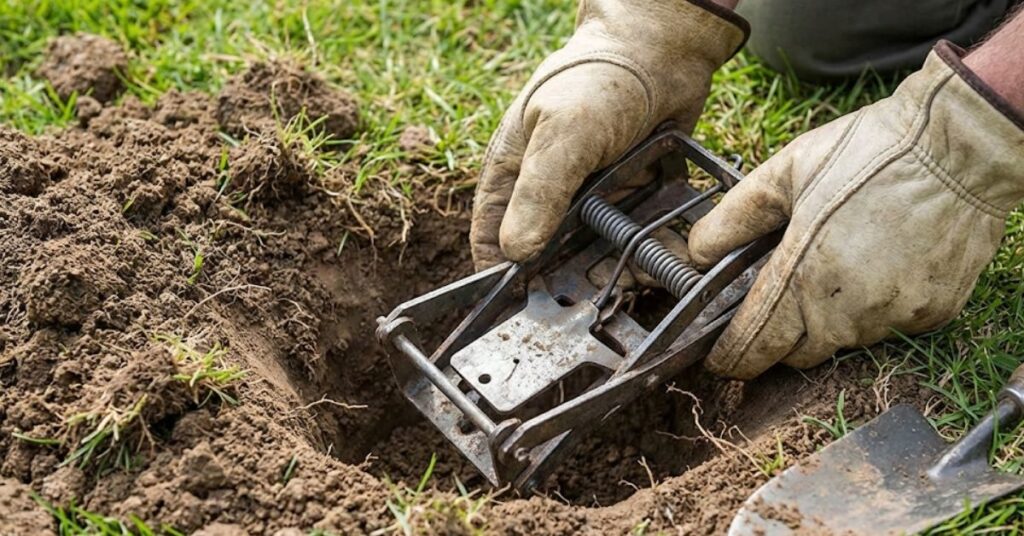
I know, I know. Nobody wants to deal with traps. But if you want a 100% success rate, this is the only way. Physical traps—like the scissor or harpoon style—are the gold standard. You find an active “run” (a straight tunnel they use every day), set the trap, and wait.
It’s honest work. It’s effective. And it doesn’t involve wasting your grocery money on myths. If you’re planning on doing some landscaping later this spring, maybe building some new garden beds, you’ll want those moles gone now. You can check our latest news updates to see if there are any new local regulations on trapping in your area for 2026.
Don’t Forget Your Tools
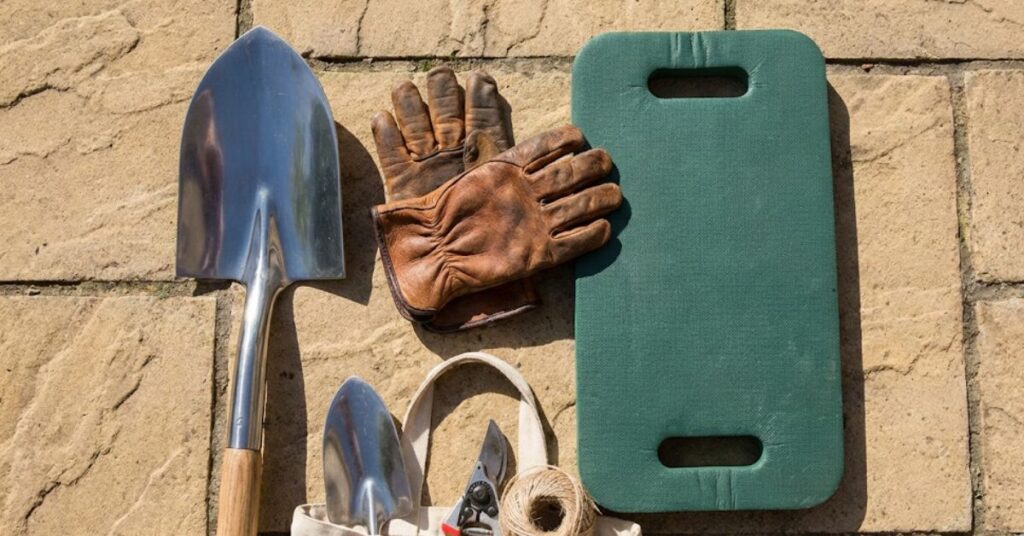
If you’re going to be digging around or setting traps, don’t use the wrong gear. A sturdy spade and some heavy-duty gloves are mandatory. Mole tunnels are full of bacteria, and their teeth aren’t exactly clean. If you’re out there working in the dirt, keep your tools clean so that they don’t rust out before spring.
Quick Answers (Because I Know You’ll Ask)
Do coffee grounds get rid of moles?
Just like vinegar, coffee grounds are a “maybe” at best. They might bother the mole’s nose, but they won’t stop the digging. They are better used in your compost pile than in a mole hole.
Does vinegar kill moles?
No. Vinegar is not a poison for moles. It’s just an irritant. To kill a mole with vinegar, you’d have to practically drown it, which is impossible in a tunnel system and would destroy your yard in the process.
Will Dawn dish soap get rid of moles?
Dish soap is often used as a “surfactant” to help castor oil stick to the soil and the grubs. On its own, it doesn’t do much, but it’s a helpful tool when used in a proper repellent mix.
How deep do mole tunnels go?
They have surface tunnels for feeding (the ones you see) and deep tunnels for nesting. Those deep tunnels can be 12 to 18 inches down. Vinegar will never reach that far.
Should I use a “mole bomb” or gas?
Smoke bombs can work if you find the main tunnel, but be careful. If the tunnel goes under your porch or house, you’re just pumping smoke into your own crawlspace.
Can I use red pepper to stop moles?
Red pepper or cayenne can work as a deterrent, but you’d need a massive amount to cover a whole yard. It’s better for small garden patches than a full lawn.
Final Thoughts: Stop the Home-Remedy Madness

Gardening and lawn care should be about logic, not folklore. If a fix sounds too easy or too cheap, it probably won’t work. Getting rid of moles in yard with vinegar is one of those things that sounds great in a 30-second video but fails in the real world.
Save your vinegar for the kitchen. If you want a clear yard, focus on grub control and physical traps. It’s more work, but it’s the only way you’ll be able to enjoy your coffee on the porch without staring at dirt volcanoes.
For more practical advice on keeping your backyard in order, keep an eye on our News category. I’ll be here, keeping it real and keeping the myths out of your garden.
Related Posts:
