

I was sitting on my back porch last July trying to enjoy a cold drink, and within four minutes, I felt like a blood donor for the local mosquito union. My neighbor, who reads too many glossy “lifestyle” magazines, told me I just needed to buy a few pots of lavender and the bugs would vanish. I told him that was about as useful as a screen door on a submarine.
It is January 28, 2026. While most of you in the US and Canada are staring at a frozen yard, now is exactly when you should be ordering seeds and planning your beds. I’m grumpy because every year, people spend hundreds of dollars on “miracle” plants thinking they’ll create a magical force field. They won’t. If you want to use plants that repel mosquitoes and flies, you have to know how they actually work. A plant just sitting there doing nothing isn’t a repellent; it’s just a salad for a different kind of bug.
Do plants actually repel mosquitoes and flies?
Plants like lavender, citronella-scented geraniums, and marigolds contain oils that bugs hate, but they only work if you crush the leaves to release those scents. Simply placing them in a pot on your patio won’t create a ‘no-fly zone’ or replace a high-quality EPA-approved repellent.

The Big Lie: The “Force Field” Myth
I’ve seen those TikTok videos. You know the ones. Someone puts a single pot of lemongrass on a table and claims the mosquitoes stayed ten feet away. That is total bunk. Mosquitoes are attracted to the carbon dioxide you breathe and the heat from your body. A plant’s smell has to be pretty powerful to override your “scent of life.”
We use these plants because they contain compounds like eucalyptol and citronellal. But those chemicals are locked inside the leaves. You have to rub the leaves on your skin or crush them and scatter them around so that the scent actually enters the air. If you aren’t willing to get your hands sticky, you’re just decorating.
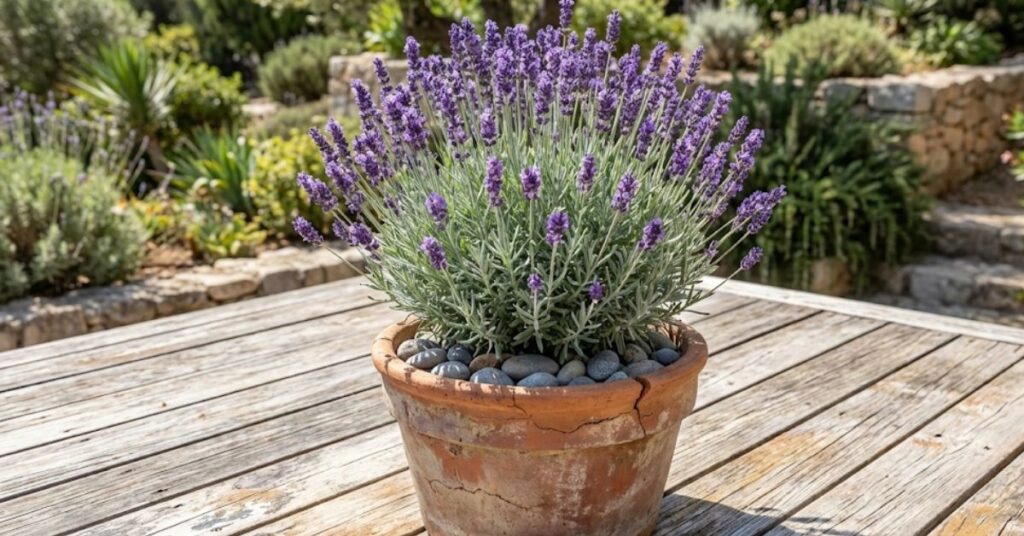
Lavender: The Only One That Smells Good to Humans
Lavender is the fan favorite. It contains linalool, which is a known bug deterrent. I like it because it’s one of the few plants on this list that doesn’t smell like a chemical factory.
But here is the catch: lavender loves sun and hates wet feet. If you’re in a swampy area where mosquitoes breed, your lavender will likely rot before it helps you. Plant it in well-draining soil or in pots on your sunny deck. If you need to know how much dirt you’ll need for those pots, check out our Raised Bed Soil Calculator on the homepage.

Marigolds: The “Grandma’s Garden” Defense
Marigolds are tough. They’re cheap. And they smell like old socks to a mosquito. They contain pyrethrum—the same stuff used in many commercial insecticides.
We plant these around the border of a vegetable garden because they also stop other pests like Japanese beetles from ruining your dinner. They’re a double-threat. Plus, they’re hard to kill, which is great if you, like me, sometimes forget the hose exists for three days in August.
2026 Bug-Repelling Plant Comparison
| Plant Name | Targets | Survival Rating | The Grumpy Take |
| Citronella Geranium | Mosquitoes | High | Smells like a candle; must be crushed. |
| Peppermint | Flies & Ants | Extreme | Warning: It will take over your whole yard. |
| Lavender | Flies & Mosquitoes | Medium | Needs dry soil or it dies. |
| Lemongrass | Mosquitoes | High | Needs lots of heat and space. |
| Marigolds | Beetles & Flies | High | Reliable, but some people hate the smell. |
Peppermint: The Double-Edged Sword
Flies hate peppermint. Most bugs do. If you have an ant problem in your vegetable garden, peppermint is a solid choice.
But I’m warning you right now: do not plant peppermint directly in the ground. It is an invasive monster. It has “runners”—underground stems—that will spread until your entire backyard is one giant mojito. Plant it in pots. We do this because it keeps the roots contained so that you aren’t spend the rest of your life weeding out mint plants.
Citronella-Scented Geraniums (The “Mosquito Plant”)
You’ll see these in every garden center come April. They have lacy leaves and smell like lemon. They are great for pots on a patio table.
They work because they have a high concentration of citronellal. I keep one right next to my favorite chair. Every time I sit down, I give the leaves a little squeeze to release that sharp, citrus scent. It’s better than nothing, but don’t expect it to stop a swarm in the Florida Everglades.
Quick Answers (Because I Know You’ll Ask)
1. What is the most effective plant to keep flies away?
Basil and Peppermint are the heavy hitters for flies. Flies have sensitive “feet” and noses; they find the strong oils in these herbs overwhelming. Keep a pot of basil by your back door to discourage them from hitching a ride inside.
2. Does lavender actually repel flies?
Yes, but mostly the oil. If you have a bunch of dried lavender hanging, it can help. In the garden, you need to brush against the plant to make it effective. It’s better than no plants, but it’s not a miracle.
3. Will lemongrass keep mosquitoes out of my yard?
Only in a very small radius. Lemongrass contains citronella oil. It’s a great architectural plant for 2026 landscapes, but you’d need a literal forest of it to clear a whole backyard.
4. Are these plants safe for pets?
Some are, some aren’t. Marigolds and Lavender are generally safe. However, Citronella geraniums can be toxic to dogs and cats if they eat large amounts. Always check with your vet before turning your backyard into a botanical pharmacy.
5. Can I rub these plants on my skin?
Generally, yes, but do a “patch test” first. Some people are sensitive to the oils in peppermint or marigolds. Crushing a leaf and rubbing it on your ankle is a common old-school trick, but it won’t last as long as a real spray.
6. Why is my “mosquito plant” not working?
Because you’re just looking at it. You have to break the leaves to release the oils. Also, check for standing water in your gutters or pot saucers. No amount of plants will beat a breeding ground in your own backyard.
The Strategy: Layer Your Defenses
Look, I’m all for a natural approach, but be smart. If you’re planning your 2026 backyard, use these plants as your second line of defense.
Start by clearing out the junk. If you have a pile of old tires or clogged gutters, you’re basically building a mosquito hotel. Once that’s done, use the plants to “decorate” your seating areas. We put the plants in pots near the chairs so that the oils are right where we are sitting.
If you want to stay on top of the latest 2026 home improvement trends or see which “organic” bug sprays are actually worth the money, keep an eye on our News section. I’m currently tracking a new type of cedar-based mulch that looks promising for fly control.
Visit hometoolcreatives.com for more brutally honest advice on keeping your home from falling apart.
Related Post:
